
Recently I spoke to a friend about a house party I briefly showed up at and how I had only had two small 330ml bottles of Stones ginger beer. Those two small bottles held almost 60g of sugar as I later discovered. Of course this wasn’t to be found anywhere on the bottle, I had to search the internet. I wouldn’t consume that amount of sugar in many days let alone one sitting! She asked me if I had watched the documentary called That Sugar Film which I hadn’t but was inspired to do so that night. So I did.
“People on this planet are growing sicker every day.”
It’s a story of a completely healthy guy that gave up sugar but wanted to run quite a  ridiculous medical experiment to prove to others just how bad sugar is for your health. He went from no sugar in his diet to consuming the average Australian intake of a whopping 40 teaspoons a day. The aspect of the experiment that captivated me most was that the sugars had to be hidden sugars, such as those in breakfast cereals, juices and even savoury pasta sauces.
Within two weeks he developed fatty liver, his energy levels rapidly declined, his ability to focus completely decreased and was well on his way to a pretty dangerous health situation. After all, sugar is a very modern and foreign element of our lives as compared to our evolutionary past. Unfortunately, it’s become the norm to be in just about every food item in our supermarket.
Throughout the film I noticed common food products that I include in my diet but in moderation, as I always make sure I read the ingredient panel on the rear of the packet. However, I was a bit shocked to see him guzzling a milk probiotic supplement you might know as Yakult in Australia.

Here I was thinking I was taking control of my gut health with my daily probiotic intake, but really I was consuming 9g of sugar per tiny bottle. That’s over two unnecesarry teaspoons. If anything that’s going to upset my gut balance not keep things in balance. Here are some other alternatives I’ll be indulging in once I use up the last of my Yakult supply in my fridge:
- Pickles-Traditionally these include pickled cucumbers but any kind of pickled vegetables will boost your intake of probiotics. An easy ingredient to add to any salad.
- Dark chocolate coated probiotic balls– it’s hard to go past dark chocolate in this convenient form and you only need one to three small balls per day.
- Miso soup– A tasty form of probiotics you can sip on daily. Just be aware that one cup of miso soup includes 600-900mg of sodium so if you have a lot of other high sodium foods throughout the day, it’s better to keep a watchful eye on your intake.
- Dark chocolate in general– aim for above 80% to get the highest intake of probiotics. Other great benefits of dark choc is that it’s an antioxidant rich food, great source of manganese and of course tastes great! It’s best in moderation though as you’re trying to lower sugar intake as much as possible!
- Sauerkraut-One of the richest sources of probiotics and also a very affordable option. I wrote about the benefits of sauerkraut here.
As you can see there’s plenty of options available for alternatives to the cleverly marketed and convenient shot size bottles of Yakult. As Eastern practices are teaching us, health begins in the gut and we have to be sure we are looking after this balance for our overall vitality. Make it a daily habit to include probiotics somewhere throughout your day.
“It is becoming increasingly clear that there are untold connections between our resident microbes and many aspects of physiology…” NCBI
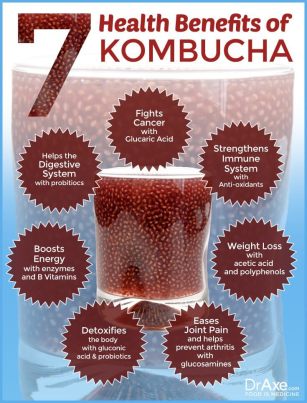 digestion and strong immunity (amongst other things). Kombucha helps in all of these ways due to the beneficial probiotics contained within. The scoby stands for “symbiotic colony of bacteria and yeast” and is the “heart” of the kombucha which can be used time and time again and in fact duplicates upon almost every batch. This allows you to spread the love amongst any friends that are interested in brewing their own batch! Kombucha is a refreshing and bubbly alternative to synthetic soft drinks packed with sugar and artificial flavours.
 been depending on for thousands of years direct from mother nature. Burdock root holds some incredible properties and is great to drop a few roots into a cup of tasty miso soup.
  appearance of skin is improved through its regular consumption. Perhaps this is one of the secrets to Japanese appearing much younger than they actually are (other than their good genes).
 the dried burdock root. I found a packet of the dried root at my local Asian supermarket for around $4.60. Simply place a few of the dried roots into the bottom of a cup and pour hot water over top, allowing to steep for a few minutes.
 Surfchickareta